
Modern bathroom renovation with a low-flow toilet and showerhead, solid vanity, and tile work, with recyclable materials stored neatly nearby.

How to Plan a Greener Bathroom Renovation in Waterloo With Low-Flow Fixtures and Lasting Materials

A greener bathroom renovation in Waterloo comes down to two choices: fixtures that use less water and materials that last decades instead of years. Plan on a few weeks of work for a full remodel, and know that the main prerequisite is a clear list of what you’ll keep, replace, and recycle before any demolition starts. Do that, and you’ll cut water use every single day while keeping tile, vanities, and flooring out of the landfill for a long time.
Here’s why it works. The bathroom is one of the thirstiest rooms in a home, and toilets, showers, and taps are where most of that water goes. Low-flow versions are built …


Close-up of a DIYer applying ceramic coating to a silver car using a microfiber pad, with water beading on the glossy paint in daylight.

How to Apply DIY Ceramic Coating to Save Water and Wash Your Car Less

Applying ceramic coating to your car cuts water use by up to 80% over the next year compared to traditional washing routines. This protective sealant creates a hydrophobic layer that repels dirt and grime, meaning your vehicle stays cleaner longer and requires fewer washes. Most DIYers complete the application in 2-4 hours on a weekend afternoon, and the coating lasts 2-3 years with proper care.
The water savings add up quickly. A typical hose wash uses 80-140 gallons per session, while a ceramic-coated car might need only a quick rinse with 15-20 gallons every few weeks instead of a full wash every weekend. For households committed…

“A box truck open at the back with stacked furniture and a rug on a dolly near a residential driveway, implying the logistics behind physical home staging.”

Is Virtual Staging Greener Than Physical Staging? The Real Footprint of Furniture Trucks, Rentals, and AI Images

When a home goes up for sale, there’s a good chance the furniture in the listing photos isn’t the owner’s. Sometimes it was rented, trucked in, arranged by a stager, photographed, and trucked back out weeks later. Increasingly, it was never there at all. It was added to the photo by software, a practice known as virtual staging.
Most conversations about staging focus on money and selling speed. This one asks a different question: what does each approach cost the planet? It’s tempting to assume that anything digital is automatically green. But AI image generation runs on data centres that draw real electricity…

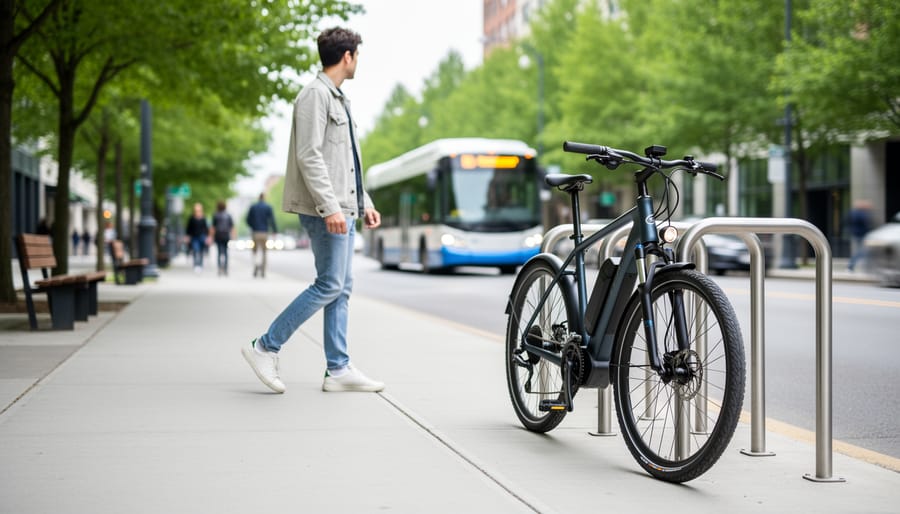
Electric e-bike parked at a city bicycle rack beside a person ready to ride, with public transit approaching in the blurred background

Environment-Friendly Transportation: Practical Ways to Reduce Your Carbon Footprint on the Move

Environment-friendly transportation reduces carbon emissions by up to 80% compared to single-occupancy vehicles, and you can start today with accessible options ranging from cycling and public transit to electric vehicles and carpooling. The shift matters because transportation accounts for nearly a quarter of global CO2 emissions, making your daily commute one of the most powerful levers you have for environmental impact.
The good news? Sustainable travel isn’t about sacrifice. Communities across the globe are discovering that greener transportation often means healthier, more connected neighborhoods and lower personal costs…

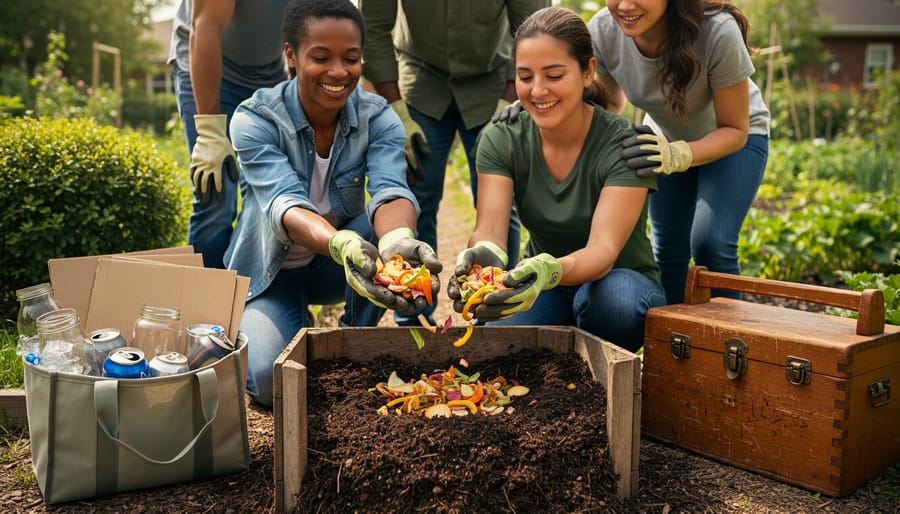
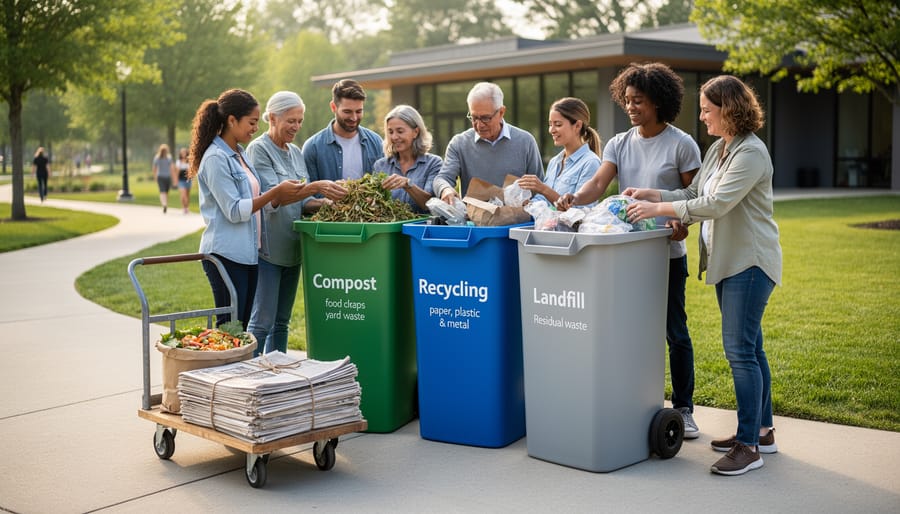
“Volunteers add food scraps to a composting bin while sorted recyclables and tools sit nearby, illustrating shared long-term environmental program sustainability.”

Program Sustainability: How to Build, Fund, and Keep Your Environmental Initiative Running

Program sustainability means designing environmental initiatives to thrive long after the initial excitement fades and startup grants run dry. It requires building community ownership, diversifying funding streams, embedding programs into existing institutions, and creating clear systems that survive staff turnover. When done right, a waste reduction program launched by a handful of volunteers in 2023 can still be sorting compost, educating residents, and diverting tons from landfills three years later without the original…

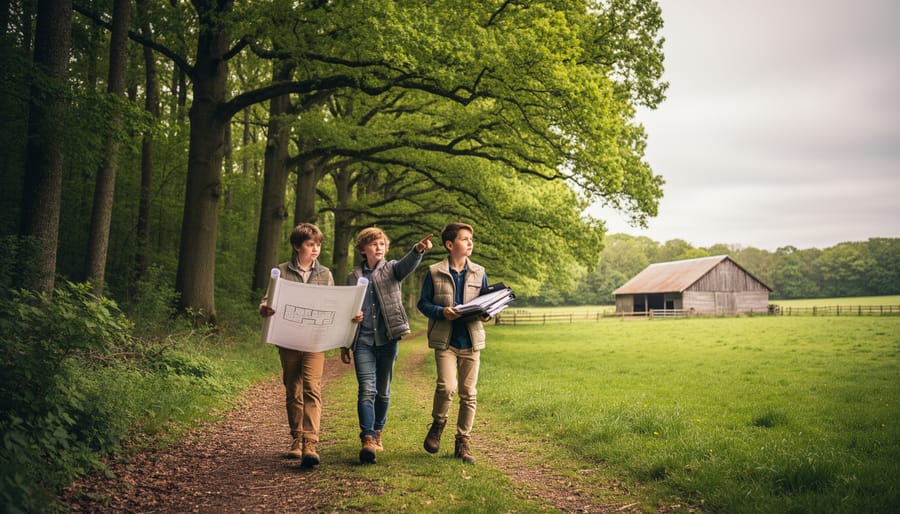
Three siblings walking and collaborating on inherited woodland and farmland, with one holding a plan and pointing toward protected trees and a heritage barn in the background.

How to Divide Inherited Property Between Siblings While Protecting the Environment

When siblings inherit property together, the most sustainable approach combines a shared conservation assessment, transparent communication about values and financial needs, and legal structures that protect both family relationships and environmental stewardship. This process typically takes two to four months and works best when all parties agree upfront to prioritize both ecological impact and equitable outcomes.
The challenge facing siblings who inherit land or buildings goes beyond simple division of assets. You’re balancing competing needs: one sibling may want to preserve the family woodland, another needs liquidity for…

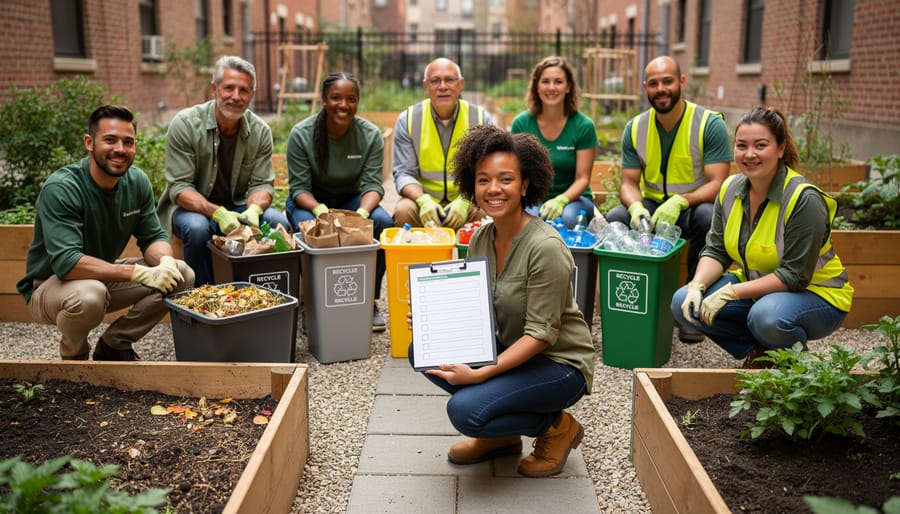
Community members sorting food scraps and recyclables at an outdoor waste collection area with compost and recycling bins.

Waste Reduction Programs: How They Work and Why Your Community Needs One

Waste reduction programs are structured initiatives that help communities, businesses, and institutions systematically decrease the amount of waste they send to landfills through prevention, reuse, composting, and recycling strategies. These programs work by identifying waste streams, setting measurable reduction targets, and implementing practical systems that make it easier for participants to divert materials from disposal. The most effective programs combine clear infrastructure (like convenient collection points), education (helping people understand what goes where), and accountability (tracking progress over time).
Right now…

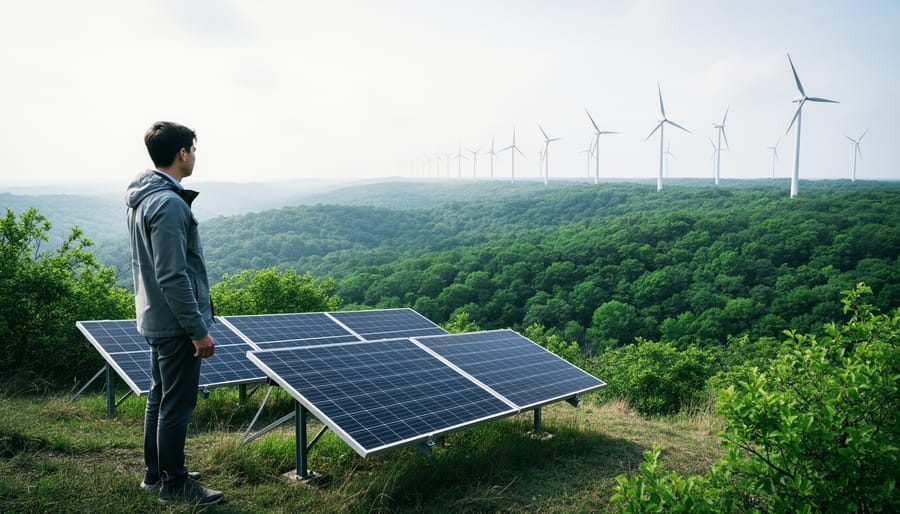
Person outdoors beside solar panels with wind turbines and a lush forest canopy in the distance, symbolizing climate change mitigation.

Mitigation Meaning: What It Is and How It Protects Our Planet

Climate change mitigation refers to any action that reduces greenhouse gas emissions or enhances the natural systems that absorb these gases from our atmosphere. These are the interventions that slow the pace and scale of climate change itself, addressing the root causes rather than just responding to the impacts we already feel.
Understanding mitigation matters now more than ever. When you read about countries pledging carbon neutrality or communities installing solar panels, you’re witnessing mitigation in action. The term appears constantly in climate policy, sustainability news, and environmental discussions, yet many …

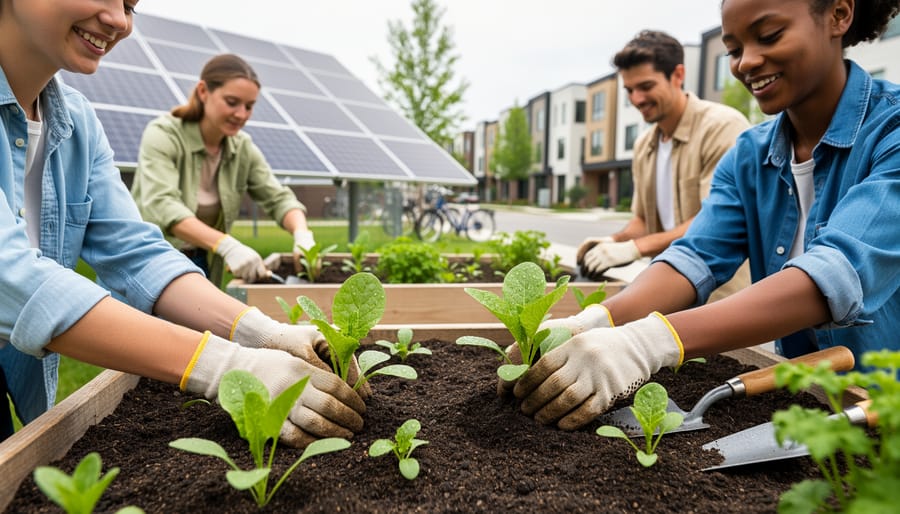
Volunteers tending raised beds in a community garden with solar panels visible in the softly blurred background, representing climate change mitigation through local action and clean energy.

What Are Mitigation Strategies for Climate Change (and How Do They Work)?

Climate change mitigation refers to actions that reduce or prevent greenhouse gas emissions before they enter the atmosphere, cutting the root causes of global warming. Unlike adaptation, which helps communities live with the effects of climate change already underway, mitigation tackles the source by transforming how we produce energy, grow food, design cities, and move goods and people.
The science is clear: every fraction of a degree matters. Communities worldwide are proving that meaningful change happens when local action aligns with policy support. In Canada, for example, climate finance for developing countries doubled from $…