
Modern bathroom renovation with a low-flow toilet and showerhead, solid vanity, and tile work, with recyclable materials stored neatly nearby.

How to Plan a Greener Bathroom Renovation in Waterloo With Low-Flow Fixtures and Lasting Materials

A greener bathroom renovation in Waterloo comes down to two choices: fixtures that use less water and materials that last decades instead of years. Plan on a few weeks of work for a full remodel, and know that the main prerequisite is a clear list of what you’ll keep, replace, and recycle before any demolition starts. Do that, and you’ll cut water use every single day while keeping tile, vanities, and flooring out of the landfill for a long time.
Here’s why it works. The bathroom is one of the thirstiest rooms in a home, and toilets, showers, and taps are where most of that water goes. Low-flow versions are built …


Close-up of a DIYer applying ceramic coating to a silver car using a microfiber pad, with water beading on the glossy paint in daylight.

How to Apply DIY Ceramic Coating to Save Water and Wash Your Car Less

Applying ceramic coating to your car cuts water use by up to 80% over the next year compared to traditional washing routines. This protective sealant creates a hydrophobic layer that repels dirt and grime, meaning your vehicle stays cleaner longer and requires fewer washes. Most DIYers complete the application in 2-4 hours on a weekend afternoon, and the coating lasts 2-3 years with proper care.
The water savings add up quickly. A typical hose wash uses 80-140 gallons per session, while a ceramic-coated car might need only a quick rinse with 15-20 gallons every few weeks instead of a full wash every weekend. For households committed…

“A box truck open at the back with stacked furniture and a rug on a dolly near a residential driveway, implying the logistics behind physical home staging.”

Is Virtual Staging Greener Than Physical Staging? The Real Footprint of Furniture Trucks, Rentals, and AI Images

When a home goes up for sale, there’s a good chance the furniture in the listing photos isn’t the owner’s. Sometimes it was rented, trucked in, arranged by a stager, photographed, and trucked back out weeks later. Increasingly, it was never there at all. It was added to the photo by software, a practice known as virtual staging.
Most conversations about staging focus on money and selling speed. This one asks a different question: what does each approach cost the planet? It’s tempting to assume that anything digital is automatically green. But AI image generation runs on data centres that draw real electricity…

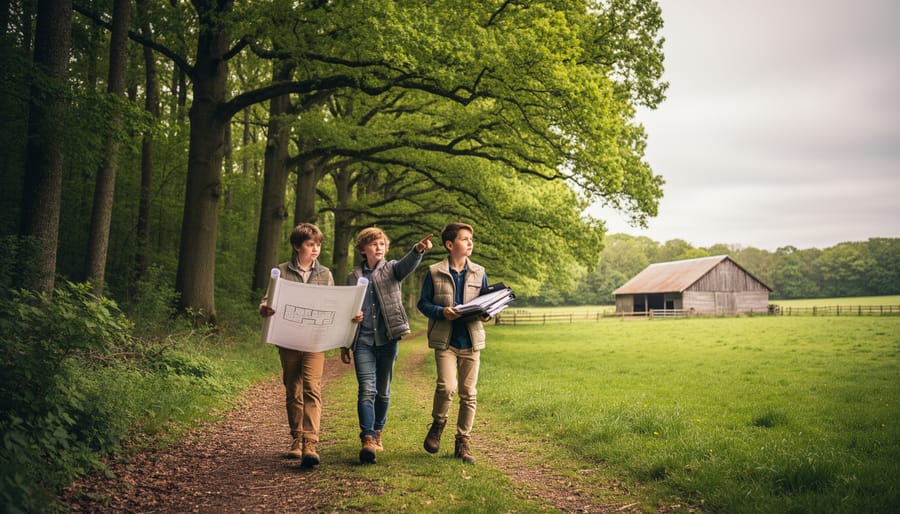
Three siblings walking and collaborating on inherited woodland and farmland, with one holding a plan and pointing toward protected trees and a heritage barn in the background.

How to Divide Inherited Property Between Siblings While Protecting the Environment

When siblings inherit property together, the most sustainable approach combines a shared conservation assessment, transparent communication about values and financial needs, and legal structures that protect both family relationships and environmental stewardship. This process typically takes two to four months and works best when all parties agree upfront to prioritize both ecological impact and equitable outcomes.
The challenge facing siblings who inherit land or buildings goes beyond simple division of assets. You’re balancing competing needs: one sibling may want to preserve the family woodland, another needs liquidity for…

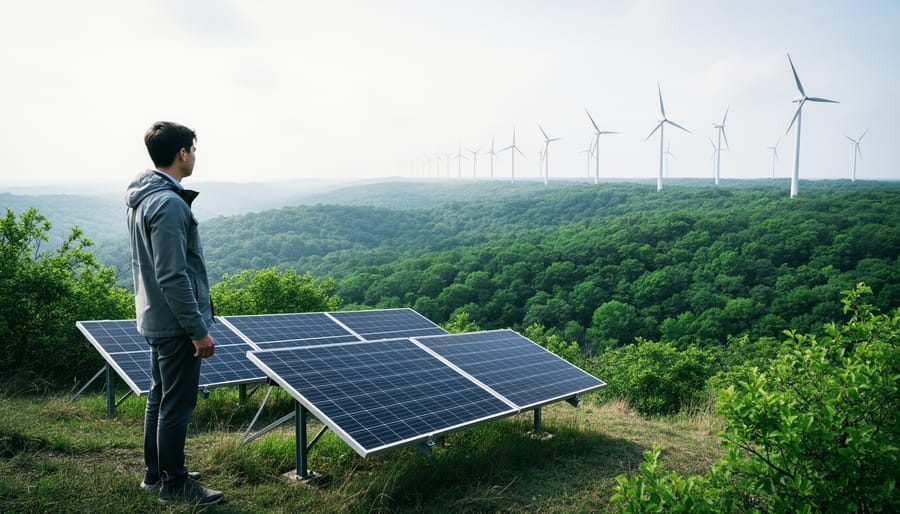
Person outdoors beside solar panels with wind turbines and a lush forest canopy in the distance, symbolizing climate change mitigation.

Mitigation Meaning: What It Is and How It Protects Our Planet

Climate change mitigation refers to any action that reduces greenhouse gas emissions or enhances the natural systems that absorb these gases from our atmosphere. These are the interventions that slow the pace and scale of climate change itself, addressing the root causes rather than just responding to the impacts we already feel.
Understanding mitigation matters now more than ever. When you read about countries pledging carbon neutrality or communities installing solar panels, you’re witnessing mitigation in action. The term appears constantly in climate policy, sustainability news, and environmental discussions, yet many …

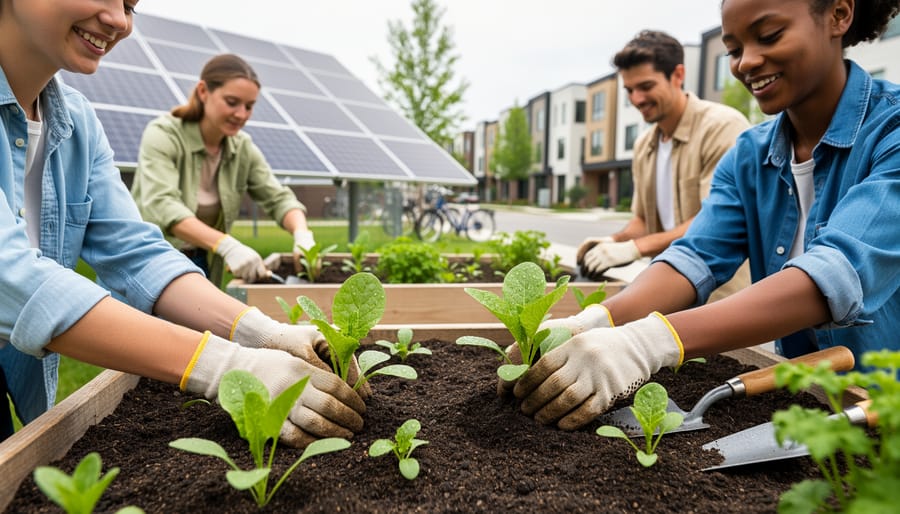
Volunteers tending raised beds in a community garden with solar panels visible in the softly blurred background, representing climate change mitigation through local action and clean energy.

What Are Mitigation Strategies for Climate Change (and How Do They Work)?

Climate change mitigation refers to actions that reduce or prevent greenhouse gas emissions before they enter the atmosphere, cutting the root causes of global warming. Unlike adaptation, which helps communities live with the effects of climate change already underway, mitigation tackles the source by transforming how we produce energy, grow food, design cities, and move goods and people.
The science is clear: every fraction of a degree matters. Communities worldwide are proving that meaningful change happens when local action aligns with policy support. In Canada, for example, climate finance for developing countries doubled from $…

Tractor spraying pesticide mist over a crop field at dawn, with a distant tree line and waterway in the background.

How Do Pesticides Affect The Environment (And What We Can Do About It)

Every time a farmer sprays their field, millions of chemical molecules disperse into the environment, beginning a chain reaction that touches every living thing around us. Pesticides don’t stay where we put them. They move through soil, seep into groundwater, drift on air currents, and accumulate in the bodies of creatures we depend on for survival.
Understanding how pesticides affect the environment matters because these chemicals now appear in 90% of U.S. streams and rivers, according to recent 2026 monitoring data. When rain falls on treated crops, it carries residues into waterways where fish absorb them. Beneficial …

Teaching High School Students the Importance of Keeping Toronto Clean

Keeping our city, Toronto, clean is essential for many reasons. A clean city not only looks beautiful but also helps maintain a healthy environment. When we keep our surroundings clean, we reduce the risk of diseases, protect wildlife, and ensure a pleasant place for everyone to live. It’s important for us, as residents, to take responsibility for our city and take small steps every day to make a big difference. One way to instill these values in students is through classroom review games for high school. These games can …

Rethink Your Food Choices

Toronto has a profound affinity for cuisine, and it’s not unexpected given our proximity to some of Canada’s most fertile agricultural regions. Our city takes pride in its culinary diversity, considering it one of our paramount strengths.

However, amidst a constantly expanding array of culinary options, the environmental repercussions of our culinary passion are substantial and on the rise. To sustain Toronto’s progress in sustainability, enhance economic prosperity, and bolster food security, it’s imperative that we reassess our connection with food …

Turning Transportation to Low Carbon

Transportation stands as the second-largest contributor to greenhouse gas (GHG) emissions in Toronto, comprising 33 percent of the total emissions. The usage of fossil fuels to power cars, trucks, ships, trains, and planes leads to GHG emissions. A significant portion (70 percent) of transportation emissions originates from personal vehicles such as cars, vans, SUVs, and light trucks utilized by individuals or households.

To align with our 2030 reduction targets and ultimately attain net-zero status by 2040, it is imperative to minimize vehicular trips by transitioning to …